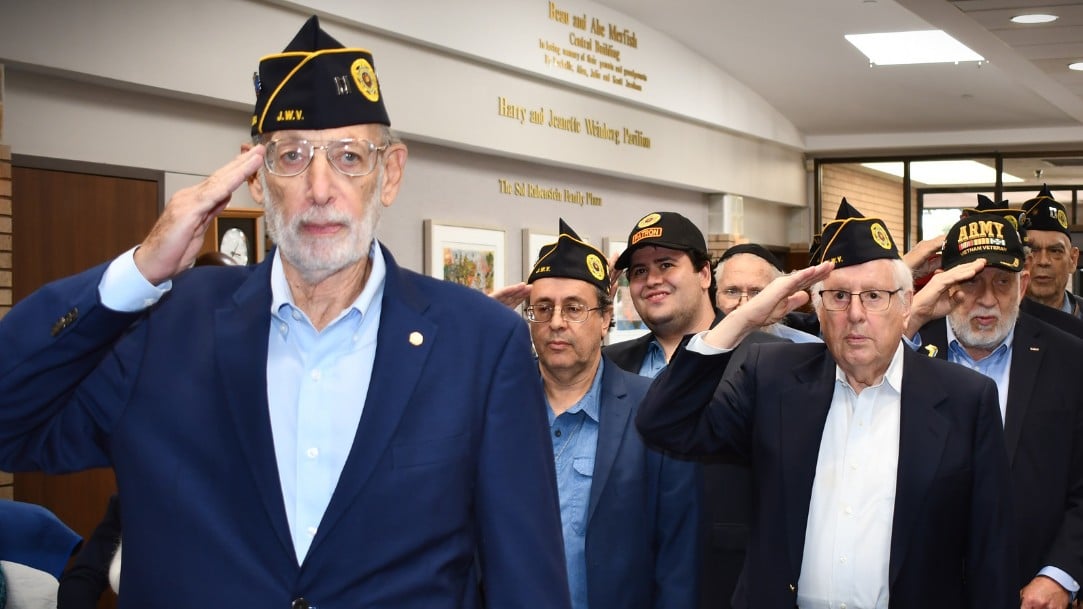
Houston families researching senior care options often focus on monthly costs, insurance coverage, and care quality — but miss a significant financial resource designed specifically for veterans and their surviving spouses. VA Aid and Attendance benefits can substantially reduce the out-of-pocket cost of assisted living, yet the majority of eligible families never apply.
The oversight is understandable. Most families either don’t realize that VA Aid and Attendance exists or assume the eligibility requirements are too restrictive. A closer look at the actual criteria reveals that many more veterans and surviving spouses qualify than commonly believed.
VA Aid and Attendance is a pension enhancement that provides monthly payments to veterans and surviving spouses who need assistance with activities of daily living. The benefit applies directly to assisted living for veterans in Houston, including private-pay communities that offer medication management, personal care assistance, and supervised daily living support.
The wartime service requirement initially trips up many families. Veterans must have served at least ninety days of active duty with one day falling during a recognized wartime period — but combat service is not required. Veterans who served stateside during the Korean War, Vietnam War, or Gulf War era may qualify, even without overseas deployment. The Gulf War period, which began in August nineteen ninety, is still ongoing for eligibility purposes.
Medical eligibility centers on activities of daily living. Veterans or surviving spouses must demonstrate they need help with bathing, dressing, eating, toileting, transferring, or continence. These are exactly the services that assisted living apartments in Houston’s Greater Meyerland Area are designed to provide, making the benefit a natural fit for this level of care.
Financial eligibility often surprises families who assume they won’t qualify. The VA excludes the primary residence and one vehicle from its net worth calculation. Veterans who own their home and car may still meet the asset limits, depending on other investments and savings. Income limits exist as well, but the VA considers unreimbursed medical expenses — including assisted living costs — when calculating countable income.
Surviving spouses represent a particularly underserved group. Widows and widowers of wartime veterans may qualify for the Survivors’ Pension with Aid and Attendance enhancement. The benefit doesn’t disappear when a veteran passes away. Surviving spouses who meet the medical and financial criteria can receive monthly payments to help cover the costs of assisted living.
The application process requires documentation, but it isn’t as complex as families often assume. Medical records establishing the need for daily living assistance, military discharge papers, financial statements, and income documentation form the core requirements. Working with a VA benefits specialist can streamline the process and help avoid common documentation errors that delay approval.
Benefit amounts adjust annually, which is why specific dollar figures quickly become outdated. The more relevant point for families is understanding whether a veteran or surviving spouse qualifies at all. Initial consultations with VA benefits experts are typically complimentary and can clarify eligibility before families invest time in the full application.
Approval timelines average two to four months once complete documentation is submitted. Upon approval, the VA typically issues a retroactive lump-sum payment covering the period from application submission to approval, providing immediate financial relief. Monthly payments then continue as long as eligibility criteria are met.
Houston families often discover that VA Aid and Attendance significantly changes their assisted living options. Communities like The Medallion offer fifty-two boutique-style apartments with care services managed by staff, including a nurse. Residents can bring pets for an additional fee, access a heated aqua therapy pool, and choose between suites and open-floor-plan one-bedroom apartments designed for singles or couples.
The benefit combines with other payment sources, including long-term care insurance policies that cover assisted living. Veterans aren’t limited to VA-affiliated facilities — they can choose private-pay communities and apply the monthly benefit toward costs there.
For families weighing assisted living against other senior care options, understanding what respite care offers families can provide a bridge. Short-term stays allow veterans and families to experience assisted living before making a permanent commitment. Many communities offer respite programs with a two-week minimum stay.
Families also benefit from understanding the broader landscape of senior care options. The assisted living versus nursing home comparison clarifies when each level of care makes sense and how VA benefits apply differently to each setting.
The bottom line for Houston veterans and surviving spouses is straightforward: VA Aid and Attendance is an earned benefit designed to help cover exactly the type of care that assisted living provides. Families who assume they won’t qualify or that the application isn’t worth the effort often discover the opposite upon reviewing the actual requirements.
Content strategy by national digital marketing agency ASTOUNDZ.
Seven Acres Jewish Senior Care Services
6200 North Braeswood Boulevard
Houston
Texas
77074
United States