Originally Posted On: https://carwarrantygenius.com/why-warranty-for-a-car-is-shifting-toward-ev-specific-protection/
Key Takeaways
- Understand what a warranty for a car actually covers before factory protection ends, because EV ownership changes the repair conversation from engines and transmissions to modules, charging hardware, and onboard electronics.
- Focus on covered parts, not sales phrases, when comparing a warranty for a car—drivers keeping a used vehicle longer need to confirm protection for drive units, control modules, and major electrical systems.
- Recognize that fewer moving parts doesn’t mean lower repair risk; for an EV, a warranty for a car may matter most where diagnostics, software-linked components, and power electronics can trigger major repair events.
- Match protection to ownership habits if the plan is to keep the vehicle well past factory coverage, since high-mileage commuting, daily family use, and aging electronics raise the value of broader vehicle protection.
- Check claim rules and repair-shop flexibility early, because the right warranty for a car should work with qualified repair facilities and spell out maintenance record requirements in plain language.
- Watch where the market is moving: warranty for a car coverage is shifting away from old gas-car assumptions and toward EV-specific protection built around batteries, charging systems, and electronic control hardware.
Three years ago, a driver nearing the end of factory coverage usually worried about the same old failures: transmission trouble, air conditioning, maybe a water pump. That math has changed. For anyone shopping for a warranty for a car today, the real question isn’t just how long the vehicle will be kept. It’s whether the contract still matches how modern vehicles actually break, especially as more drivers move into hybrids and EVs packed with control modules, charging hardware, sensors, and software-linked systems.
And that’s where the old assumptions start to fall apart. An EV may skip oil leaks and timing-chain drama, yet one failed electronic unit can still send a vehicle into the shop for advanced diagnostics and parts approval. In practice, drivers with 3- to 7-year-old vehicles are hitting a strange middle ground — the factory plan is fading, the car still feels “new enough,” and the repair risk is shifting away from purely mechanical parts. That’s not a small change. It’s a different repair reality, and protection language is racing to catch up.
What a Warranty for a Car Means as More Drivers Reach the End of Factory Coverage
Nearly 7 out of 10 major repair surprises show up after the original factory term ends, not during it—and that’s why the meaning of a warranty for a car is changing fast for drivers in the 3-to-7-year window. For gas models, hybrids, and EVs alike, today’s auto warranty conversation is less about paperwork and more about what happens when a daily driver starts aging out of factory protection.
How factory coverage differs from a vehicle service contract
Simple distinction. Warranty for new cars comes from the manufacturer and usually covers defects in materials or workmanship for a set time or mileage. That’s where drivers start comparing auto warranties, powertrain terms, and what counts as a real car warranty repair.
Why drivers of 3- to 7-year-old vehicles are paying closer attention now
But here’s the thing. A used vehicle at 52,000 or 78,000 miles can still feel new to its owner, even as failure risk starts climbing in electronics, cooling, steering, and AC systems. That’s why searches for car warranty for first repair costs and which extended warranty plan is right for your car keep rising—drivers want predictability, not a nasty surprise.
Where EV systems change the old idea of auto repair protection
EVs complicate the old model. Battery management, charging hardware, inverters, and thermal systems don’t fit the classic engine-and-transmission view, so a warranty for a car now has to cover software-linked hardware too (that’s the part most people miss). For readers comparing options, premier warranty discussions now sit alongside questions about premier car warranty choices built for newer electric platforms.
Why EV-Specific Warranty for a Car Coverage Is Replacing Old Gas-Car Assumptions
EV coverage now follows a different rulebook.
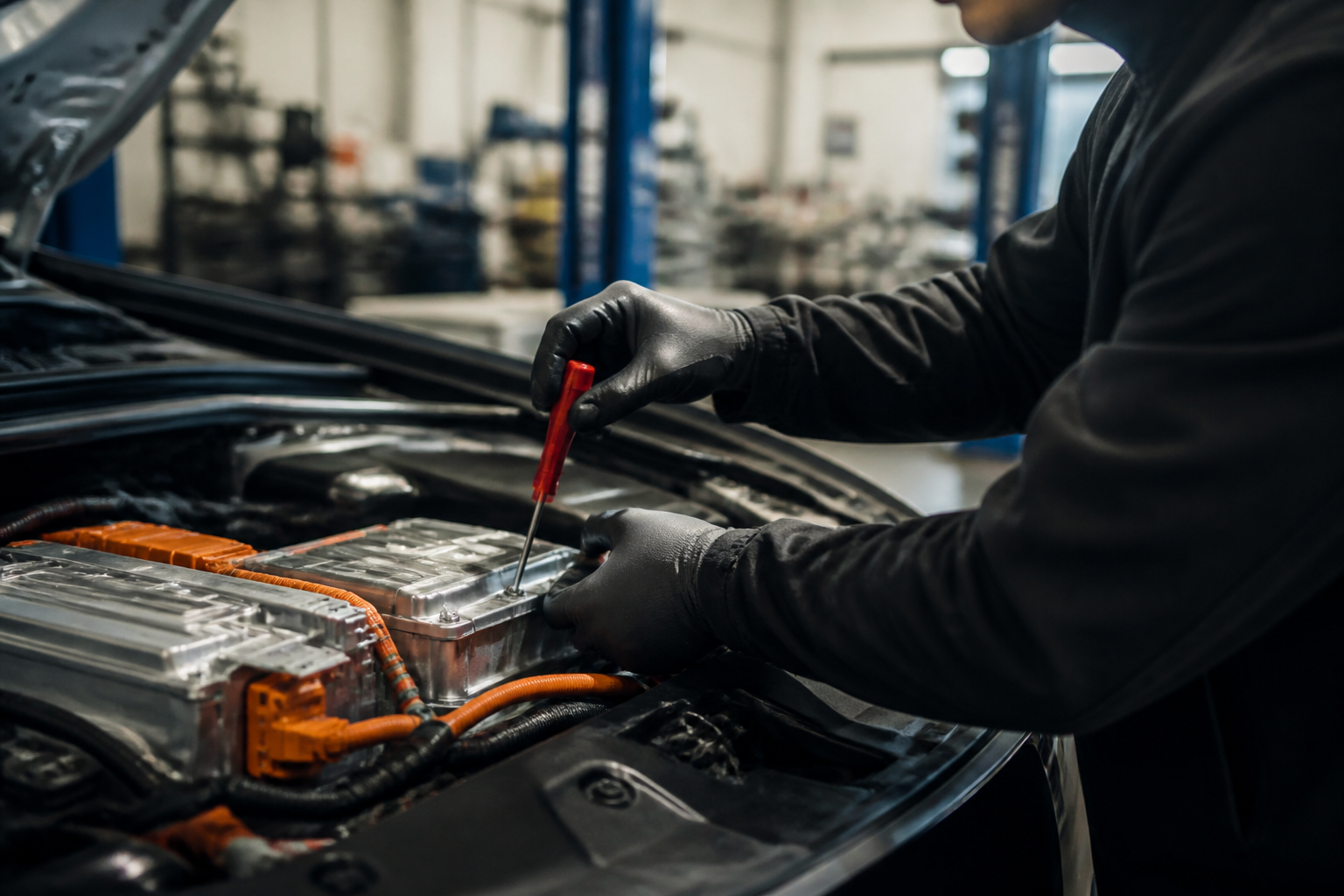
- High-voltage parts shift the target. A modern warranty for a car now has to address battery control units, charging ports, onboard chargers, and inverters—not just powertrain hardware. Drivers comparing auto warranties should check whether EV systems are named plainly in the contract.
- Less maintenance doesn’t mean less risk. EVs have fewer moving parts, yes, but a failed power electronics unit can still sideline the vehicle. That changes how people should think about car warranty coverage, especially after factory protection starts to thin out.
- Repair approval is getting more technical. Software-linked faults often require scan data, module communication checks, and technician notes before an approval decision moves ahead. That makes car warranty repair on an EV more document-heavy than old gas-car claims.
Battery control modules, charging hardware, and power electronics are changing coverage needs
For EV owners, auto warranty language matters. A solid contract should explain battery management components and charging hardware in plain English, while warranty for new cars may still leave later-life electronic failures outside the factory window.
Fewer moving parts doesn’t mean fewer expensive failures
That old talking point misses the real issue. Fewer wear items can mean less routine service, — not fewer major failures—and that’s where car warranty for first repair costs becomes a practical concern for owners keeping vehicles past year three.
Why software-linked components make EV repair approval more technical
Some drivers looking at a premier warranty or a premier car warranty are really asking one question: which extended warranty plan is right for your car? For EVs, the honest answer depends on module coverage, diagnostic language, and whether the contract treats software-driven failures as part of real-world protection.
Is a Warranty for a Car Worth It for Drivers Keeping Their Vehicle Longer?
Yes.
The real question starts once factory protection fades and repair risk rises. For drivers holding onto a vehicle into year four, five, or six, a warranty for a car can make more sense because failures shift from routine maintenance to modules, sensors, drivetrain parts, and charging or hybrid-related electronics.
Used and near-post-factory vehicles face a different repair risk window
A used vehicle at 55,000 to 90,000 miles sits in an awkward zone. It may still feel solid, yet this is often when auto warranty shopping picks up, because car warranty coverage matters more after the original term ends than it did on day one.
That also changes the conversation around warranty for new cars.
How powertrain coverage compares with broader electrical and electronics protection
Powertrain plans focus on the engine, transmission, and drive components. Broader auto warranties can reach past that into screens, control modules, sensors, climate systems, and other electronics—parts that now trigger plenty of real-world car warranty repair claims.
That’s why the best fit isn’t always the most basic plan. The smarter question is which extended warranty plan is right for your car, especially if the vehicle relies on advanced driver-assist tech or EV hardware.
Let that sink in for a moment.
Which ownership patterns make repair protection more useful in practice
Three patterns stand out:
- Drivers keeping a car past the loan term
- Owners buying used with limited history
- Households that can’t absorb surprise repairs
In practice, a premier warranty or premier car warranty tends to matter most for that group—and for anyone worried about car warranty for first repair costs after factory coverage ends.
How to Choose a Warranty for a Car Without Getting Lost in Fine Print
A driver buys a three-year-old EV, sees glossy sales language, and assumes the hard parts are covered. That’s where a smart review of a warranty for a car starts: not with slogans, but with the document itself.
Read the covered parts list before looking at sales language
The honest answer is simple. A real check of car warranty coverage starts with the parts list, not the headline promise. Good auto warranty contracts spell out whether the powertrain, electronics, sensors, and control units are named directly.
For drivers comparing warranty for new cars with protection on aging vehicles, the big difference is usually how specific the covered components are — and that matters fast.
Check repair shop flexibility, claim steps, and maintenance record rules
Not all auto warranties work the same once the vehicle is in a shop. Drivers should confirm:
- Whether any certified repair facility can handle a car warranty repair
- What claim steps must the shop follow before work begins
- Which service records are required for a claim review
A so-called premier warranty or premier car warranty means little if the paperwork turns a basic claim into a stall tactic.
Why EV owners should confirm protection for charging, drive units, and control modules
Here’s what most people miss: an EV contract can look broad while skipping the systems that matter most. Charging hardware, drive units, battery management electronics, and control modules should appear in writing — not as vague script.
That gap matters more than most realize.
That’s why buyers asking which extended warranty plan is right for your car should match coverage to the vehicle’s real failure points. For EV drivers, a car warranty for first repair costs isn’t enough if core electric systems are left out.
Where Warranty for a Car Coverage Is Headed Next as EV Adoption Grows
What happens to a warranty for a car when the biggest repair risk isn’t the engine, but the software, charging system, or a failed control unit? The short answer: auto warranty language is shifting fast, and drivers will see more plans built around electronics instead of old-school powertrain assumptions.
More contracts are being built around electronics, diagnostics, and module replacement
That change is already visible. Modern car warranty coverage now has to address sensor arrays, driver-assist hardware, battery management systems, and the diagnostic labor tied to finding a fault in the first place. A useful car warranty repair contract should spell out whether module replacement, calibration work, and related diagnostics are covered—not just the failed part.
Hybrid and EV owners will push the market toward clearer language
Clarity matters. As hybrid and EV ownership grows, buyers comparing auto warranties are asking smarter questions, including which extended warranty plan is right for your car. They’re also looking beyond warranty for new cars and focusing on what happens after factory protection ends.
A strong checklist includes:
- Charging components and onboard electronics
- Diagnostic procedures tied to covered failures
- Control modules, sensors, and calibration
The shift isn’t just about new vehicles—it’s about a new repair reality
Here’s what most people miss: this isn’t only an EV story. Gas vehicles are loaded with electronics too, which means a warranty for a car is becoming a contract about computers on wheels — not just mechanical wear. One provider, Premier Auto Protect, reflects that shift through EV-focused coverage language; even terms like premier warranty, premier car warranty, and car warranty for first repair costs now signal a market trying to match how vehicles actually fail.
Frequently Asked Questions
Is it worth getting a warranty for a car?
For a driver with a car that’s 3 to 7 years old, a warranty for a car can make sense if a surprise repair would wreck the monthly budget. The honest answer is simple: if the vehicle is still a daily necessity, repair savings are thin, repair coverage often works better than hoping nothing major fails.
How does a warranty on a car work?
A warranty for a car is an agreement that helps pay for covered mechanical or electrical failures after a claim is approved. The shop diagnoses the problem, the administrator reviews the repair, and covered parts and labor are handled under the contract terms. Maintenance items and wear items usually aren’t part of it.
How does a 100,000-mile warranty work?
It usually means coverage lasts until the car reaches 100,000 miles or until a time limit ends, whichever comes first. Some factory plans focus on the powertrain, while an extended vehicle service contract may cover more systems. Read the mileage limit carefully—people miss that part all the time.
Should a used car come with a warranty?
Used cars don’t always come with meaningful protection, and that’s where buyers get burned. A used vehicle may have little or no factory coverage left, even if it still looks great on the lot. For that reason, checking what’s still active on the car matters before assuming anything.
What does a powertrain warranty cover?
A powertrain warranty usually covers the engine, transmission, and drive components that make the car move. It’s good protection for major failures — it doesn’t usually help with items like screens, sensors, air conditioning parts, or other electronics. That gap matters more now because modern cars pack in a lot of expensive tech.
And that’s where most mistakes happen.
What’s the difference between a factory warranty and extended repair coverage?
A factory warranty comes with the vehicle from the manufacturer and lasts for a set time or mileage window. Extended repair coverage starts later and is meant to keep protection going after factory coverage ends. Different contracts cover different systems, so the details matter more than the label.
What is usually not covered by a warranty for a car?
Most plans won’t pay for routine maintenance, cosmetic issues, or normal wear items like brake pads, tires, filters, and wiper blades. Damage from neglect, lack of service records, or pre-existing problems can also lead to a denied claim. Brutal — true: the fine print decides the real value.
Can a driver use any repair shop for warranty work?
Sometimes yes, sometimes no. Some plans allow repairs at any qualified ASE-certified shop, while others are more restrictive and push work toward certain facilities. That detail matters more than people think—especially if the driver already trusts a local technician.
What should drivers check before buying a warranty for a car?
Start with the contract. Check covered parts, waiting periods, claim steps, maintenance record rules, rental car terms, and whether the plan is transferable if the car is sold.
Let that sink in for a moment.
The old way of thinking about a warranty for a car doesn’t hold up as well once a vehicle moves past factory protection and into its more failure-prone years. That’s even more true for electric models, where the big repair questions often center on modules, charging hardware, drive systems, and the electronics that tie them all together—not the old gas-era trouble spots drivers used to worry about. A contract that looks solid on the surface can miss the very parts that matter most.
And that’s the shift drivers need to understand now. Fewer mechanical parts don’t automatically mean simpler repair protection. It means the weak points have moved. Approval can depend on diagnostics, software-linked systems, and a very specific covered-components list (the part that too many buyers skim past). For drivers keeping a vehicle longer, that detail matters more than any headline promise.
The smart next step is simple: pull the sample contract before signing anything and verify, line by line, whether the vehicle’s charging components, control modules, electronics, and repair-shop options are actually written into the coverage. That’s how a driver chooses protection with eyes open.


