
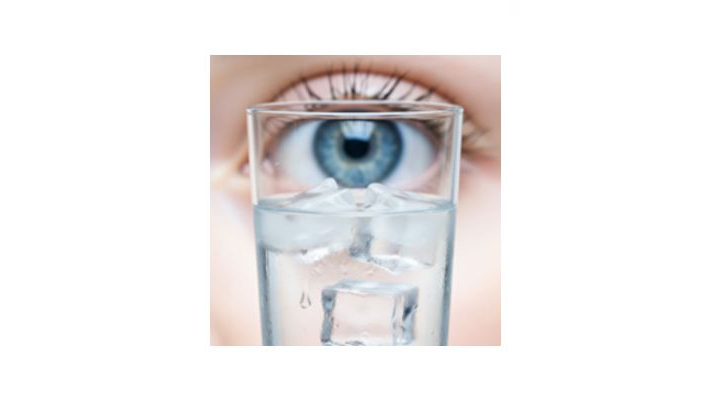
Dry eye can not be described as a simple problem with a simple fix: drink more water. In reality, hydration plays a role in eye comfort, but its effects are only one of the factors needed to included in a clear strategy. This guide breaks down how hydration actually influences tear production, what habits make the biggest difference, and where its limits lie, so you can build a routine that supports your eyes over time rather than chasing quick relief.
How Hydration Actually Affects Your Eyes
Many people are told to drink more water to relieve dry eye, only to find little immediate change. Tear production is a process shaped by internal water balance over time, not a single glass of water.
The eye’s tear film consists of three layers: an oily outer layer that slows evaporation, a watery middle layer that provides the ‘wetness’ , and a mucous layer that helps tears spread evenly. That middle, watery layer is influenced on the body’s overall hydration status. When fluid intake is adequate, the glands responsible for tear production can maintain this layer consistently and support a stable, comfortable ocular surface throughout the day. When hydration is low, this layer can thin out, leaving the eye’s surface more exposed to irritation. Hydration works best as a supportive, long-term habit alongside other tear film care, not a quick remedy for sudden discomfort.
Recognizing and Correcting Low Hydration
Thirst is often one of the last signals the body sends when hydration drops. Other indicators include dark colored urine, dry mouth, fatigue, and reduced urination. Noticing these signs alongside worsening eye discomfort is a useful cue to pay closer attention to fluid intake, particularly during extreme hot or cold weather, physical activity, illness, medications or travel to higher altitudes.
Spreading water intake evenly throughout the day tends to be more effective than drinking large amounts infrequently. Steady intake helps maintain stable internal hydration, which supports more consistent tear production. Water-rich foods, such as cucumber, watermelon, and citrus fruits, also contribute to daily fluid intake. On days when symptoms feel more pronounced, reducing caffeine, alcohol, and sugary beverages may help.
Supporting Hydration Through Habits and Diet
Certain conditions increase the body’s need for water and often affect the eyes first. Extended screen use, air travel, and time in heated or air-conditioned environments all accelerate tear evaporation. Poor oils of a tear film to limit evaporation are separate dry eye drivers but being proactive about hydration before and during these situations gives good foundation to tears. Be proactive vs. reacting once symptoms appear.
Hydration also works best when paired with supportive nutrition. Experts from mEYEspa explain that omega-3 fatty acids, found in supplements, fatty fish, flaxseed, and walnuts, are commonly associated with supporting tear quality and reducing inflammation linked to dry eye. Combining consistent water intake with these nutrients offers more complete support than hydration alone.
Understanding the Limits of Hydration
It is important to recognize that hydration cannot resolve every cause of dry eye. Conditions affecting the oil-producing glands of the eyelids, hormonal changes, certain medications, and underlying health conditions can all contribute to symptoms that hydration alone will not fix.
For those whose symptoms persist despite consistent water intake, speaking with an eye care professional can help identify other factors involved and point toward additional forms of tear film support. Effective hydration for dry eye relief comes down to consistency rather than intensity.
Drinking water steadily, eating water-rich foods, adjusting intake during high-risk periods, and pairing hydration with supportive nutrition together create a more resilient foundation for eye comfort. Small, sustainable adjustments to when and how much you drink are often more effective than dramatic short-term changes and easier to maintain as a long-term habit that continues to pay off well beyond the first few weeks.
mEYEspa
help@meyespa.com
102-1750 Ernest Ave
London
ON
N6E 3H3
Canada


